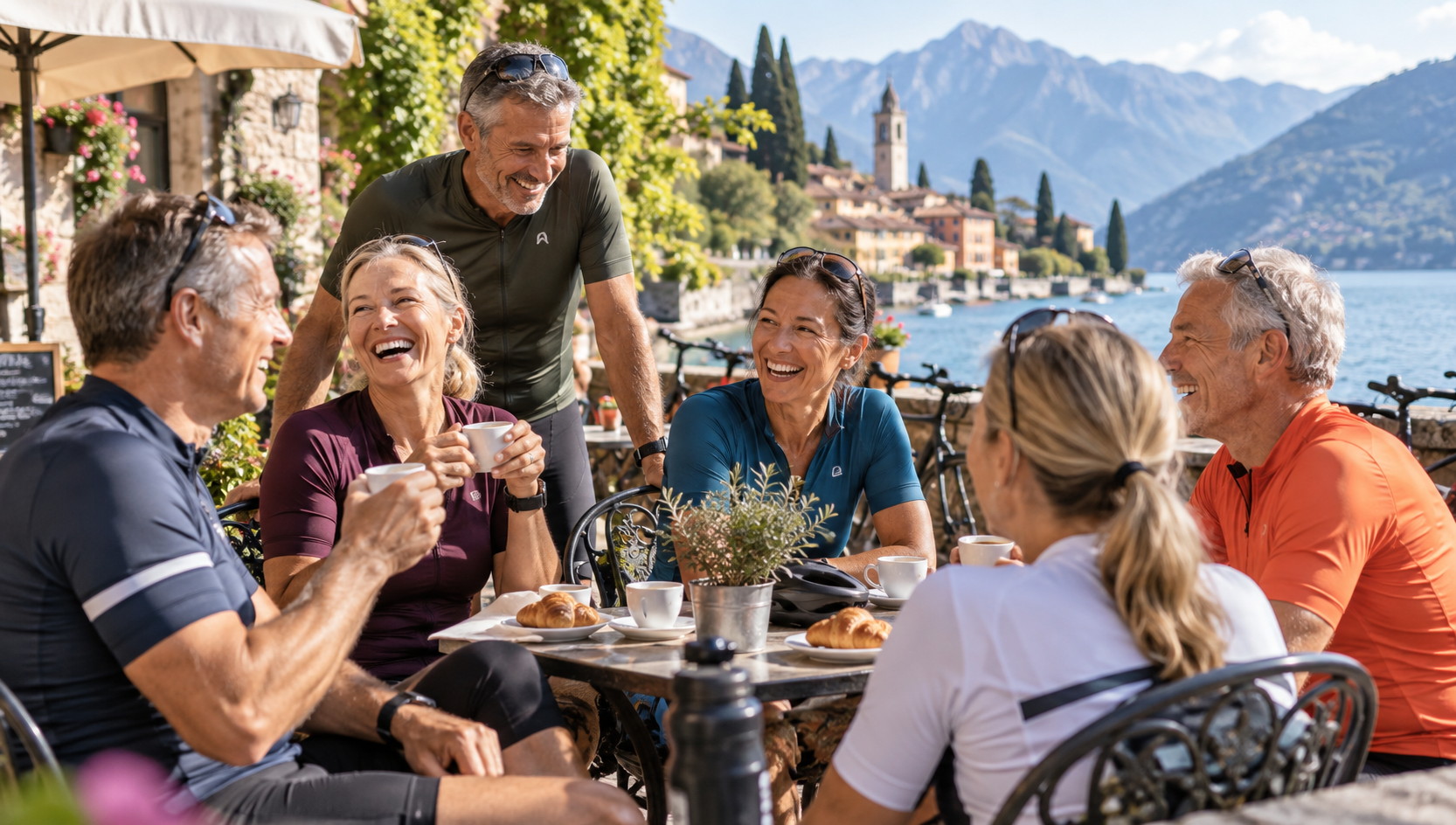
Someone says it after a ride.
Or after a fitness class.
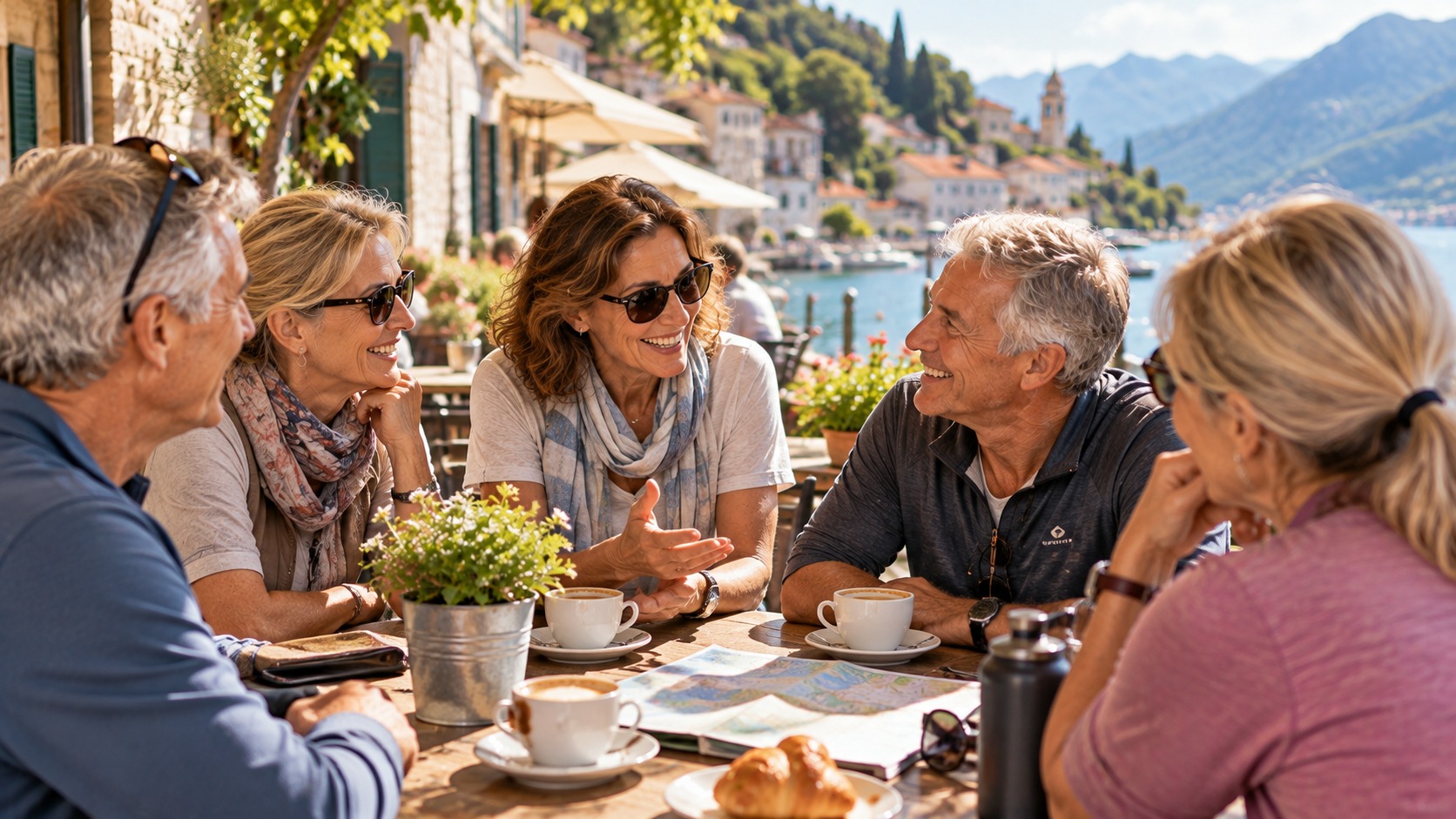
Maybe over coffee, lunch or during one of those conversations that starts with, “Wouldn’t it be great if…”
“We should all do a trip together sometime.”
Everyone smiles. A few people immediately start throwing out destinations. Italy. Portugal. A cycling trip. A cruise. Somewhere warm in February.
It sounds like a great idea.
But there’s a big difference between people saying they would love to travel together and people actually being ready to commit their time, money and vacation days to doing it.
So how do you know whether your community could really become a travel community?
The strongest sign isn’t the size of your group. It’s whether people already show up, trust one another, spend time together and respond when someone suggests doing something beyond the usual routine.
Over the years, I’ve organized a lot of rides, fitness events and group experiences. One thing I’ve learned is that the size of a community doesn’t tell you nearly as much as how connected the people in it are.
You don’t necessarily need hundreds of members.
You need the right signs.
01
People Actually Show Up
This may sound obvious, but it’s probably the best place to start.
Think about the people in your cycling club, fitness class, wellness group, pickleball community or social circle.
Do the same people regularly show up?
Do they participate even when there isn’t a special event?
A community of 30 people who consistently ride, exercise or socialize together may have much more potential for a shared trip than an online audience of thousands who barely know one another.
Travel starts with participation.
If people already make time for the community in their everyday lives, that’s a good first sign they might make time for a bigger shared experience.
02
The Relationships Go Beyond the Activity
Some groups meet, do the activity and go home.
Others linger.
The cycling ride ends and everyone goes for coffee.
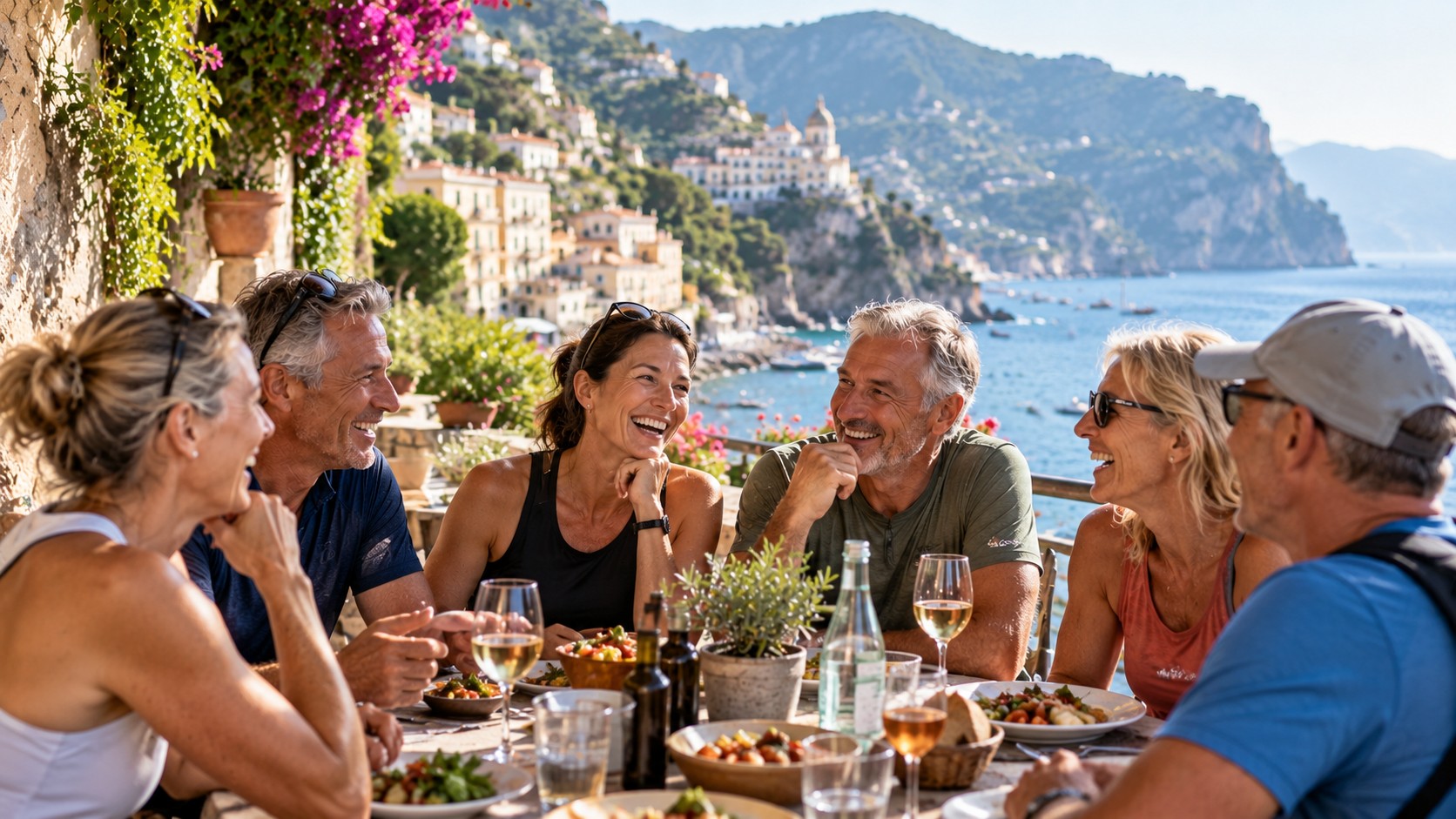
The fitness class finishes and six people head out for lunch.
People start celebrating birthdays together. They know each other’s partners. They message one another outside the group. Friendships begin forming that have very little to do with the activity that originally brought everyone together.
That matters.
A successful group trip isn’t only about where you go. A big part of the experience is who you’re going with.
When people already enjoy spending time together beyond the original activity, the foundation for travelling together may already be there.
03
Travel Comes Up Naturally
Listen to the conversations happening within your community.
Does someone talk about cycling in Italy?
Does somebody mention a river cruise they took?
Does a member come back from Portugal and suddenly everyone has questions?
Do people joke about escaping an Ontario winter together?
Those conversations are useful signals.
You don’t need to immediately turn every travel conversation into a trip proposal. Just pay attention to what gets people talking.
Sometimes the best group-travel ideas don’t begin with a destination at all.
They begin with five or six people saying:
“I’d do that.”
04
People Already Trust Someone to Bring Things Together
Most communities have this person.
Sometimes they have an official title.
Often they don’t.
They’re the person who posts the ride route.
Organizes the dinner.
Creates the group chat.
Books the restaurant.
Reminds everyone what time to show up.
Gets asked, “So what are we doing next?”
If that sounds familiar, you may already be doing the most important part of being a Community Host.
You understand your people.
You know what they enjoy, what makes them comfortable and what gets them excited.
That doesn’t mean you need to become their travel agent.
In fact, you probably shouldn’t.
There’s a big difference between bringing your community together and taking responsibility for everyone’s bookings, payments, travel arrangements and questions. That distinction is worth reading about on its own: how to organize a group trip without becoming the travel agent.
Your value is the relationship you already have with the community.
05
Your People Have Enough in Common Without Being Identical
One of the biggest misconceptions about group travel is that everyone has to want exactly the same thing.
They don’t.
Cyclists can have different riding abilities.
Couples can have different interests.
Some people may want a challenging day while others prefer something more relaxed.
One traveller may want to ride every kilometre. Another may love the idea of an e-bike. Someone else may be just as interested in the food, scenery and time together.
The goal isn’t to find 20 identical people.
It’s to find enough common ground to create an experience people can enjoy in their own way.
That’s especially important in active travel.
The best experience is often not the one that pushes everyone into the same activity. It’s the one that gives people ways to participate while still feeling part of the group. If your community rides together, this is worth thinking through in detail: how to plan a European cycling trip for your cycling club.
06
People Will Respond to a Simple Question
Before choosing hotels, requesting prices or designing an itinerary, test the idea.
Keep it simple.
Ask:
“If our group organized a trip together sometime in the next 12 to 18 months, would you be interested?”
That’s it.
You could then ask what type of experience interests them most.
Cycling.
Cruising.
Active travel.
Wellness.
Or perhaps a combination of activity, sightseeing, food and social time.
You’re not asking anyone to book.
You’re looking for a signal.
Who responds?
Who asks questions?
Who starts suggesting destinations?
Who talks to you about it again a week later?
That tells you much more than a casual “sounds fun” during coffee.
And if the response is lukewarm, that’s useful information too.
You haven’t lost anything.
You simply learned that this may not be the right experience, the right timing or the right group yet.
Interest Isn’t Commitment
Ten people saying “I’d love to do that” over coffee doesn’t mean you have ten travellers.
At this stage, you’re simply looking for enough genuine interest to justify the next conversation.
Pricing, dates, deposits and bookings come later, once you know there is something worth exploring.
This is also why I wouldn’t begin by building an itinerary.
Start by learning what your people are interested in.
Once there’s genuine interest, you can begin exploring the kinds of Hosted Experiences that could fit the community.
07
There's a Reason to Travel Together Beyond Getting a Deal
This may be the most important sign of all.
Why would these people want to travel together?
Maybe they’ve spent years cycling together and want to finally ride somewhere extraordinary.
Maybe a fitness community wants an active getaway that combines movement with relaxation.
Maybe a group has reached the point where the friendships have become as important as the activity itself.
Maybe everyone simply wants more experiences and memories together.
Whatever the reason, there should be something connecting the trip back to the community.
Because a group trip shouldn’t simply be:
“We found a good price.”
It should feel more like:
“This is something our group would love doing together.”
That’s a much stronger foundation.
§
You Don't Need a Big Audience. You Need a Real Community.
The travel world talks a lot about audiences, followers and influence.
But a community is different.
“An audience watches you. A community participates with you.”
Someone with thousands of followers may have tremendous reach.
But the cycling leader with 30 people who ride together every week may have something just as valuable when it comes to shared travel:
Trust.
That’s what makes community-led travel interesting.
The people already know one another.
They already share something.
And there is already someone helping bring them together.
That person doesn’t need to become a travel influencer.
They may simply need to continue doing what they already do well.
§
From Community Leader to Community Host
At PEDAL & PORT, we call that person a Community Host.
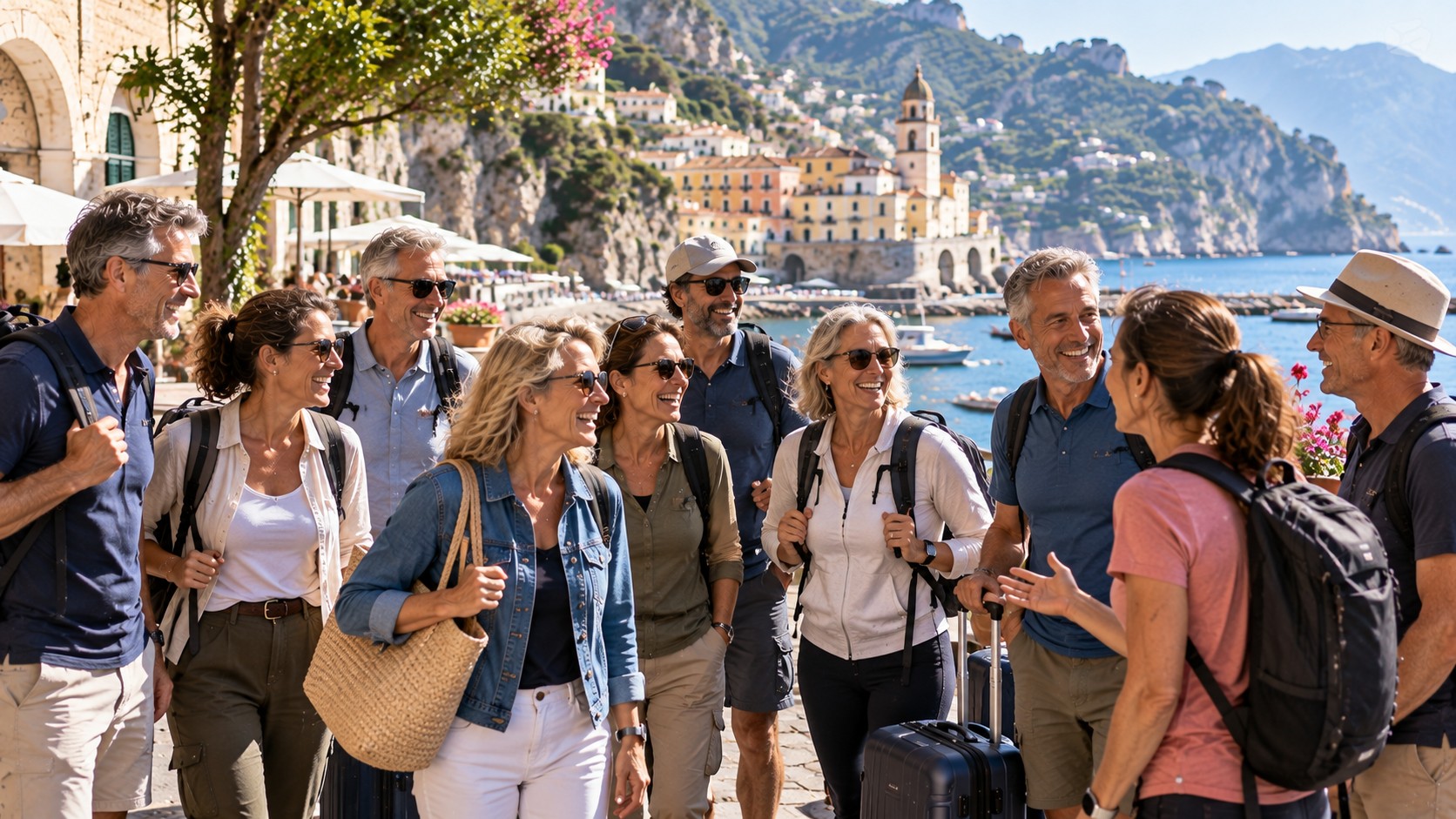
A Community Host is someone who already brings people together and wants to explore what travelling together could look like.
You bring the relationships, trust and understanding of your community.
PEDAL & PORT helps with the travel planning, coordination and support so you don’t have to become everyone’s travel department.
The Community Host remains the person who understands the community and helps create the atmosphere that makes travelling together special.
The appropriate travel professionals handle the travel arrangements.
§
Start With Interest, Not an Itinerary
If you think your community might enjoy travelling together, you don’t need to know where you’re going yet.
You don’t need an itinerary.
You don’t need everyone’s deposit.
And you definitely don’t need to spend three weeks researching hotels.
Start with your people.
Ask the question.
Listen to the response.
See where the excitement is.
Because sometimes the first step toward a great shared adventure isn’t choosing the destination.
It’s discovering that the people you already enjoy spending time with are ready to go somewhere together.
And if they are?
That’s when the conversation gets interesting.
§
Good Questions
How do I know if my group would actually travel together?
Look for consistent participation, friendships that extend beyond the group's main activity, natural conversations about travel, trust in the people who bring the community together and genuine responses when you test the idea of travelling together.
How many people do I need for a group trip?
There isn't one number that works for every experience. The appropriate group size depends on the destination, type of trip, suppliers and travel arrangements. Start by determining whether there is genuine interest before worrying about an exact number.
Do I need to be a travel agent to organize a trip for my community?
No. Being the person who brings a community together doesn't mean you need to become the group's travel professional. A Community Host can focus on the people and shared experience while the appropriate travel professionals handle the travel arrangements.
Do I need a large social-media following to become a Community Host?
No. PEDAL & PORT's Community Host model is built around genuine communities and trusted relationships, not follower counts.
§
Could Your Community Be Ready for a Shared Adventure?
If you already bring people together and you’re wondering whether your community could travel together, you don’t need to have the trip figured out.
That’s where the conversation can begin, through the PEDAL & PORT Community Host Program.