It’s one of the first questions people ask.
A cycling club starts talking about a trip to Europe. A fitness group wonders about a cruise. A circle of friends says, “We should all go somewhere together.”
And almost immediately someone asks: “How many people do we actually need?”
The honest answer is that it depends on what kind of group travel you mean.
There is no single universal number that turns a collection of travellers into a “group.” Different suppliers define it differently, and a group of friends travelling together doesn’t need to meet anyone’s formal definition to have a wonderful trip.
Still, there are benchmarks worth understanding — because they affect pricing, flexibility and what’s possible.
01
Why Ten Is a Common Benchmark
If you’ve heard that group travel starts at ten people, that number has to come from somewhere.
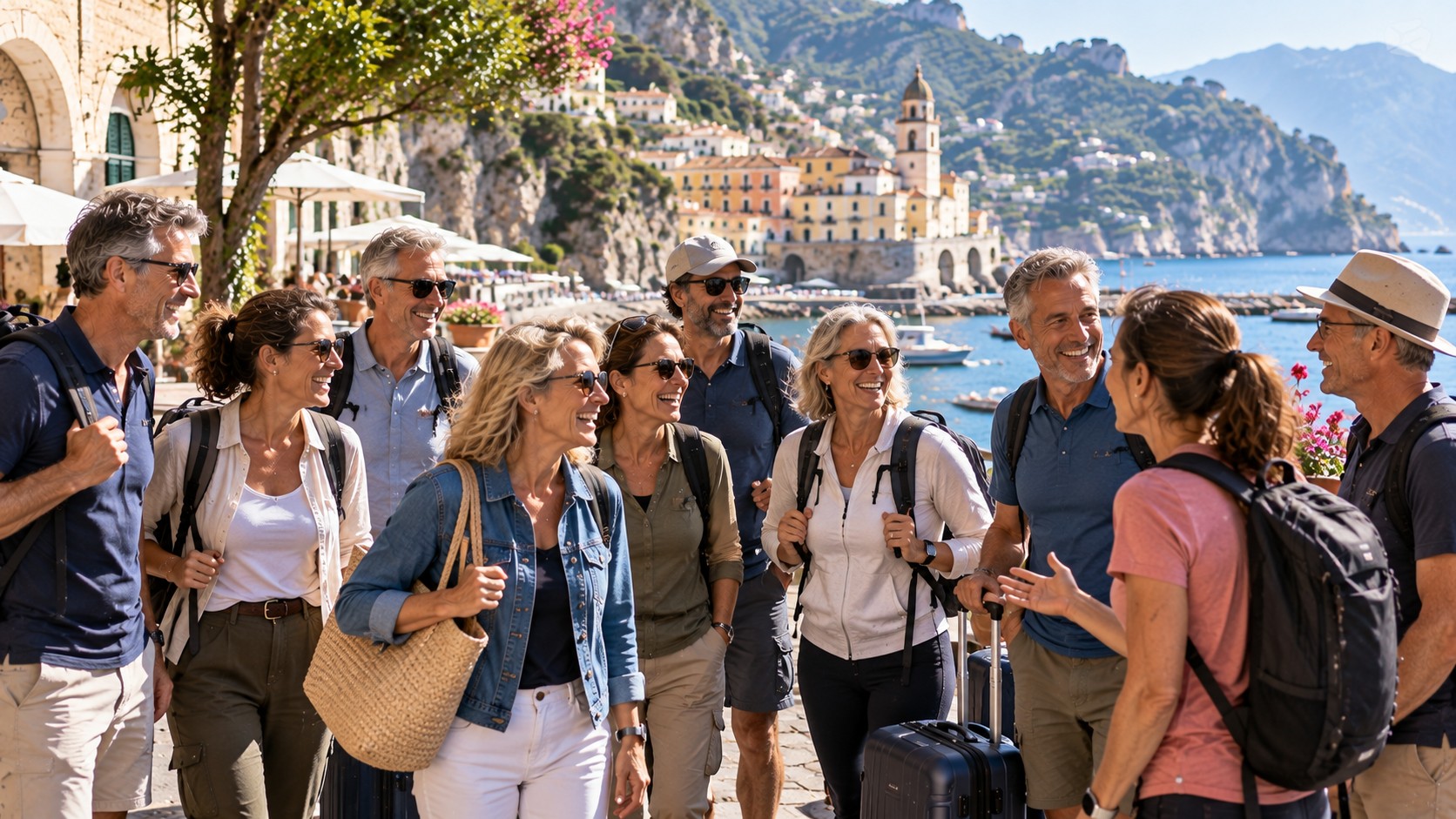
Often, it comes from the airlines. Air Canada, for example, currently defines Group Travel as ten or more passengers travelling together to the same destination on the same date and flight. You can see the details on Air Canada’s Group Travel page, and its Air Canada Vacations Group Travel FAQ explains how the same idea applies to vacation packages.
Meeting a supplier’s group minimum can open the door to things individual bookings don’t offer — coordinated reservations, more flexible name and payment timelines, and sometimes group pricing.
But ten is a supplier threshold, not a law of travel. As of September 2026 it’s a useful benchmark, not a rule your group has to meet.
02
Smaller Groups Can Absolutely Travel Together
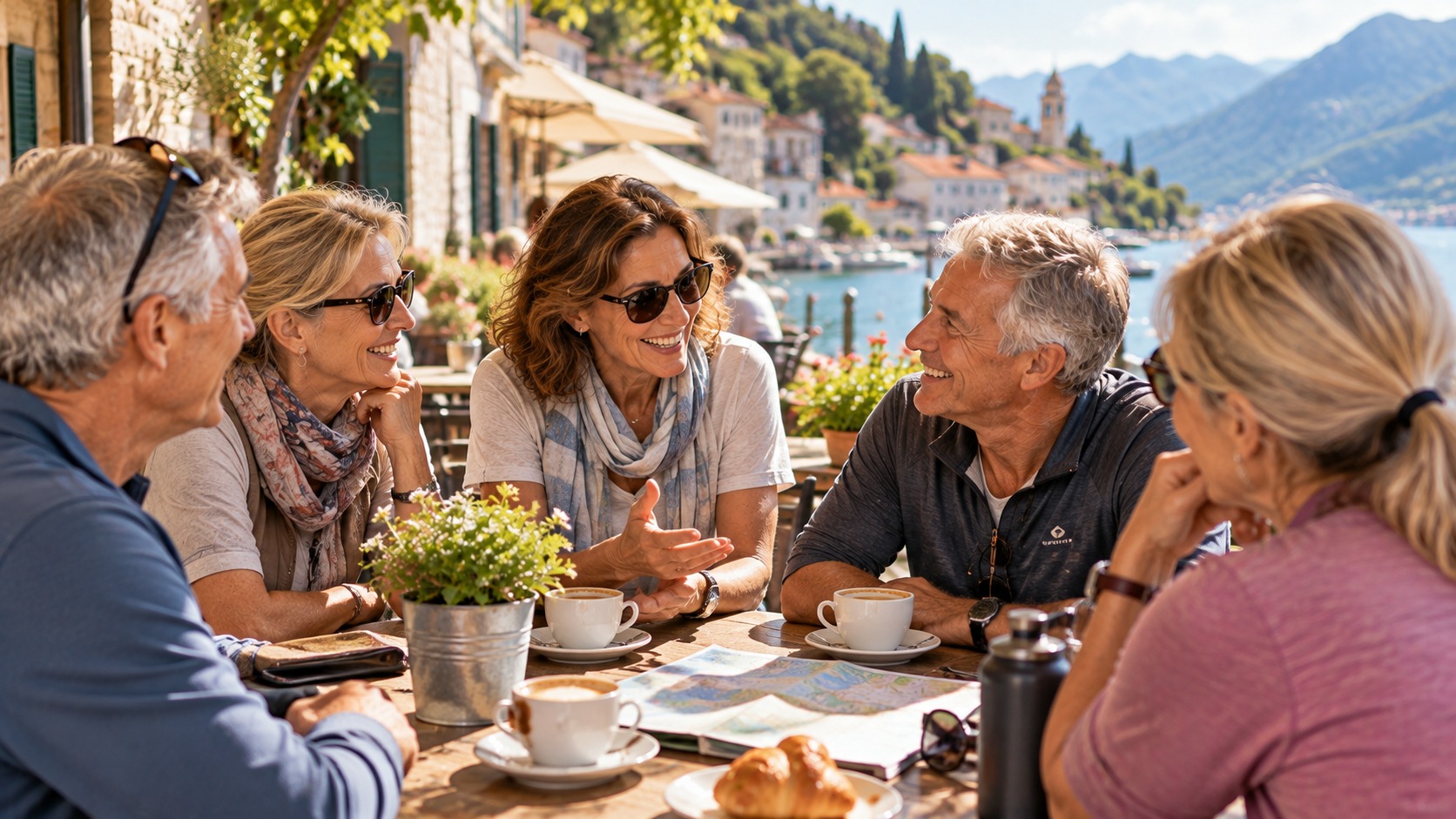
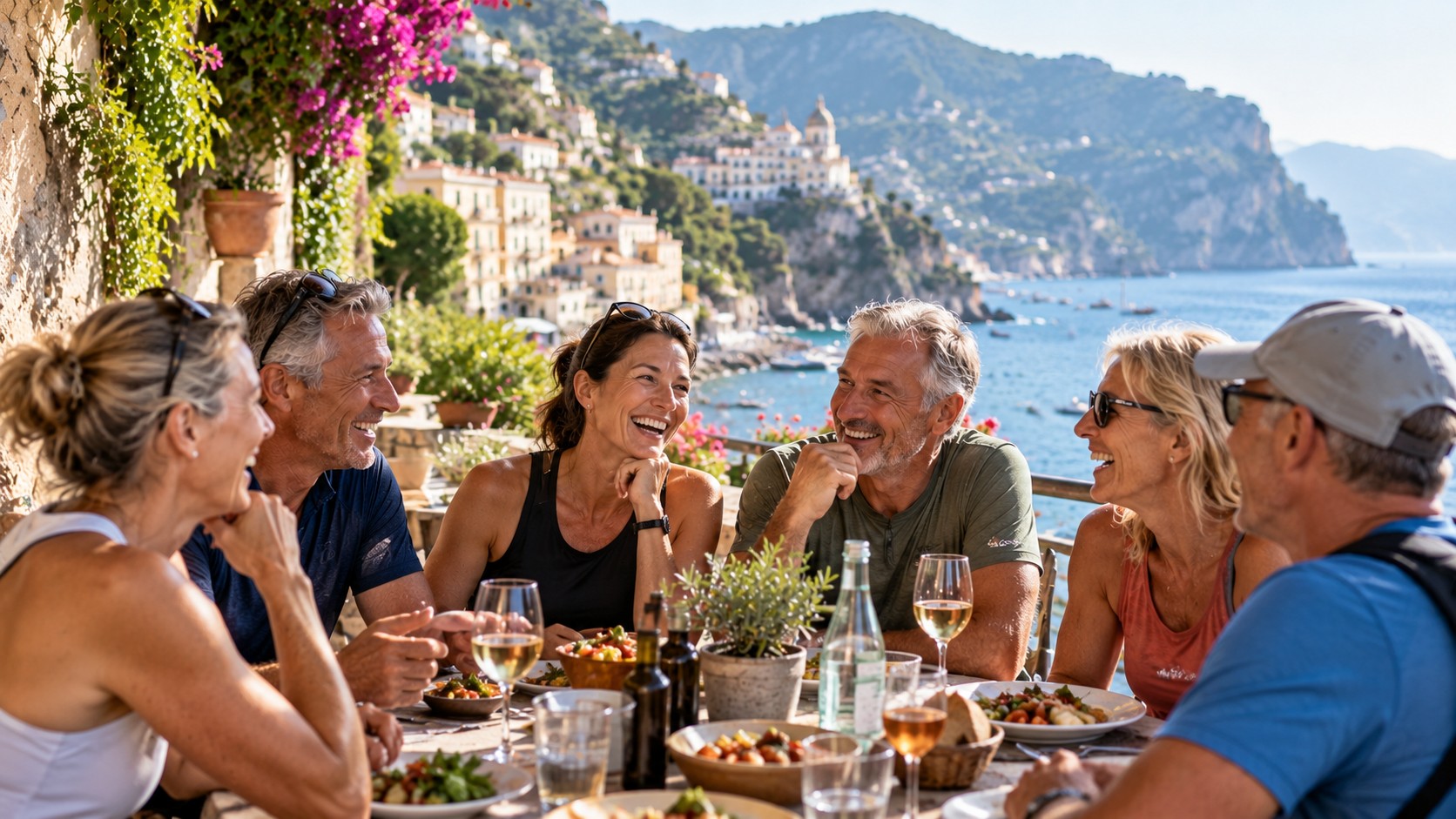
Six friends. Four couples. Eight members of a walking club.
Groups like this travel together all the time — and often have a wonderful experience.
A smaller group simply may not qualify for a particular supplier’s formal group program, rates or benefits. Each traveller might book individually, sit in separately assigned seats, and manage their own reservation details.
That’s not a failure. For many communities, a smaller group is actually the right place to start: easier to organize, easier to agree on dates, and a much better way to learn how your people like to travel before planning something bigger.
The question isn’t “do we have enough people to count as a group?” It’s “what kind of experience do we want, and which suppliers fit it?”
03
Cruises Count Differently
Cruise lines often think in staterooms rather than individual travellers.
Royal Caribbean, for example, currently uses eight staterooms as the minimum for a group reservation — you can read the details in its Group Reservations FAQ. Because most staterooms hold two guests, that often works out to roughly sixteen people, though the stateroom count is what matters.
Other cruise lines set their own definitions, and these details change over time, so it’s always worth confirming current requirements when a trip starts to take shape.
The lesson: “group” means something different at sea than it does in the air, and the number that matters depends on how you’re travelling.
04
There Is No Universal Ideal Group Size
So what is the best size for a group trip?
There isn’t one. The right number depends on the destination, transportation, accommodations, activities, supplier requirements and — most of all — the kind of experience the travellers want.
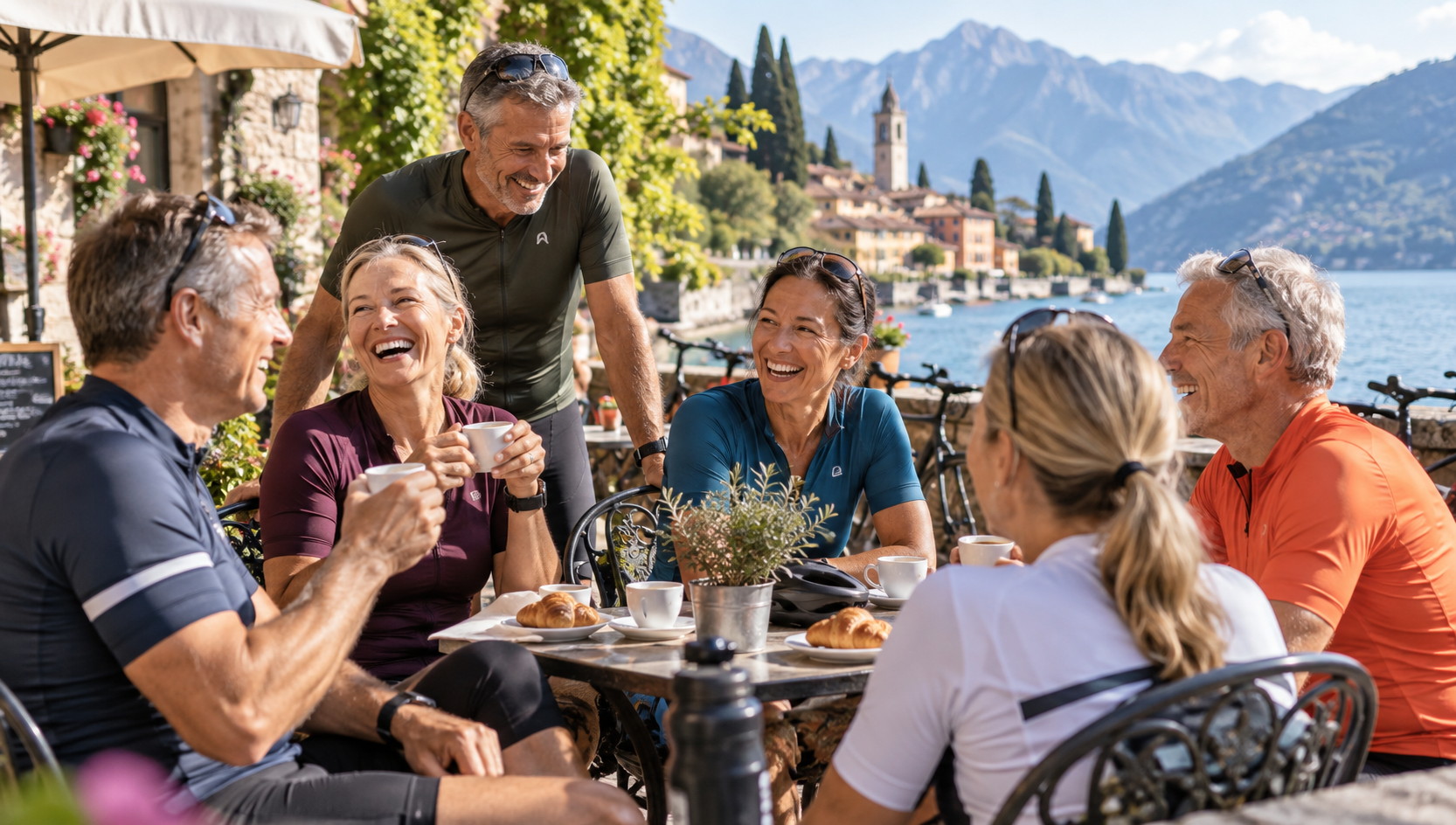
A small cycling group may work beautifully with only a handful of riders, while a hosted community experience could involve a much larger group. The right size depends on the people, the destination and the kind of experience you want to create. A group of friends sharing a cruise might not care about formal group status at all.
What matters more than hitting a threshold is whether the people involved genuinely want to travel together. If you’re still figuring that out, start with whether your community would actually travel together before you worry about the count.
05
Start With Interest, Then Worry About the Number
The groups that come together well rarely begin with a headcount.
They begin with a handful of people who say, “Yes — I’d seriously consider that.”
From there, the number tends to take care of itself. Genuine interest grows, friends invite friends, and a trip finds its natural size. If your community rides together, planning a European cycling trip for your cycling club walks through how that process works in practice.
And once you have genuine interest, you don’t have to figure out supplier minimums, stateroom counts and bookings on your own. That’s where the Community Host pathway and Hosted Experiences can help. You know your people and what brings them together. We help explore what kind of journey could fit them.
You bring the community. We help bring the journey to life.
§
Good Questions
Is 10 people considered group travel?
Ten is a common threshold for some formal group travel programs, but it is not universal. Air Canada currently defines Group Travel as 10 or more passengers travelling together to the same destination on the same date and flight.
Can you have a group trip with fewer than 10 people?
Yes. A smaller group can absolutely travel together. It simply may not qualify for a particular supplier's formal group program, rates or benefits.
How many people do you need for a cruise group?
Cruise requirements can work differently from airline groups. Some cruise lines define groups according to the number of staterooms rather than simply the number of travellers. Royal Caribbean currently uses eight staterooms as the minimum for a group reservation.
What is the best size for a group trip?
There is no universal ideal group size. The right number depends on the destination, transportation, accommodations, activities, supplier requirements and the kind of experience the travellers want.
§
The Number Will Follow the People
If you’ve been waiting to suggest a trip until you’re sure you have “enough” people, consider this permission to stop waiting.
Ask the question. See who lights up. The right place to start isn’t a minimum number. It’s finding out how many of your people genuinely want to go.
And if you’d like help thinking it through, you can always talk with Eric about what your community’s first shared adventure could look like.