There’s something special about travelling with people you already know.
Perhaps you’re part of a cycling club that meets every weekend. Maybe you attend fitness classes with the same familiar faces, belong to a walking group, or have a circle of friends who enjoy exploring new places.
Over time, something interesting happens.
The activity that originally brought everyone together becomes only part of the reason people keep showing up.
The conversations become friendships. The friendships become a community. And eventually, someone says:
Wouldn’t it be wonderful if we could all take a trip together?
It’s an exciting possibility.
But turning that idea into a shared travel experience involves more than choosing a destination and inviting people along.
Someone needs to help bring the group together.
That’s where a Community Host can make a difference.
A Community Host isn’t simply someone who organizes a trip. It’s someone who helps people feel connected before, during, and after the journey.
§ i
The Difference Between Organizing a Trip and Hosting an Experience
When people think about organizing group travel, they often imagine managing reservations, collecting payments, arranging transportation, and dealing with travel suppliers.
Those are important responsibilities.
But they aren’t necessarily the responsibilities of a Community Host.
A Community Host contributes something different.
They understand the people.
They know what brings the group together, what members enjoy, and what kind of shared experience might appeal to them.
A cycling club leader might recognize that members would enjoy exploring European countryside together.
A fitness instructor might know that regular participants have developed friendships strong enough to extend beyond the studio.
A community organizer might see an opportunity to bring people together through a cruise, wellness retreat, or active holiday.
In each case, the host’s greatest asset isn’t expertise in travel reservations.
It’s the trust and relationships they’ve already built.
The professional travel arrangements should be managed through the appropriate qualified and licensed travel providers.
That distinction allows the host to focus on the people rather than attempting to become a travel agent.
§ ii
Before Departure: Bringing the Community Together
The hosting experience often begins long before anyone packs a suitcase.
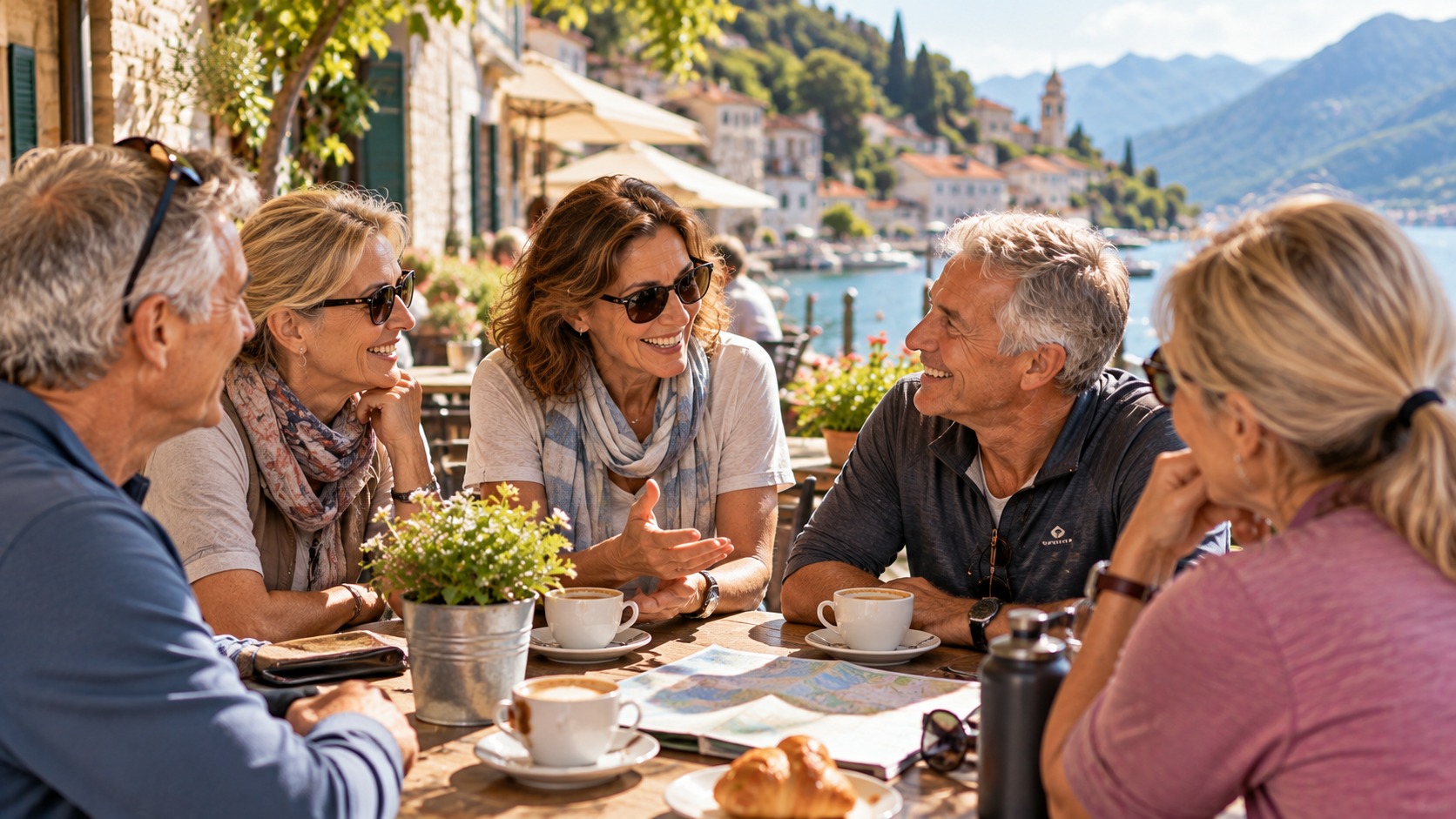
At this stage, a Community Host may help introduce the idea of travelling together, understand the group’s interests, and encourage people to explore whether a shared journey appeals to them.
This doesn’t mean pressuring friends or club members to participate.
It means creating an inviting conversation.
For example, a cycling club leader might ask whether members would enjoy a week of guided cycling in Europe.
A fitness instructor might explore interest in a river cruise with opportunities for walking, sightseeing, and active excursions.
The host can help communicate the character of the experience, introduce interested participants to the appropriate travel professionals, and encourage connections among those considering the trip.
As plans become more concrete, the host may help share approved information about group gatherings, expectations, and opportunities to connect.
But bookings, payment arrangements, travel documentation, supplier terms, and formal travel advice should remain with the responsible travel professionals.
The host helps create enthusiasm and belonging. The travel professionals manage the travel arrangements.
§ iii
During the Trip: Helping People Feel Welcome
This is where thoughtful hosting can make a memorable difference.
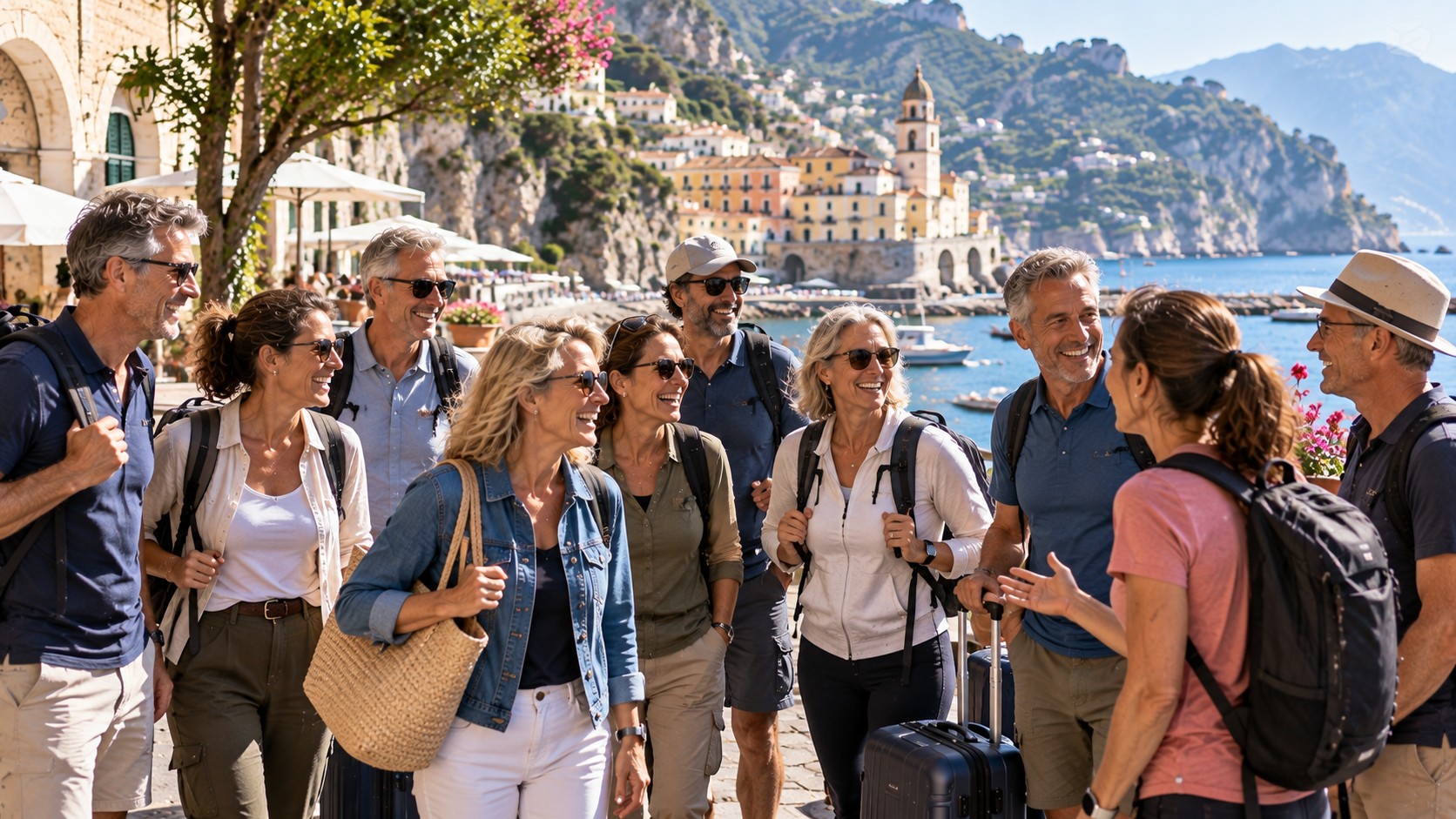
Imagine a group arriving at a European destination.
Some participants have travelled together before. Others know only one or two people. A few may be joining the group for the first time.
A welcoming host can help everyone feel comfortable.
Sometimes that means making introductions.
Sometimes it means inviting someone to join a conversation or helping new participants feel included in a group activity.
And sometimes it’s as simple as noticing when someone is sitting alone and making them feel welcome.
The host doesn’t need to entertain everyone or organize every moment.
In fact, some of the best travel memories happen naturally.
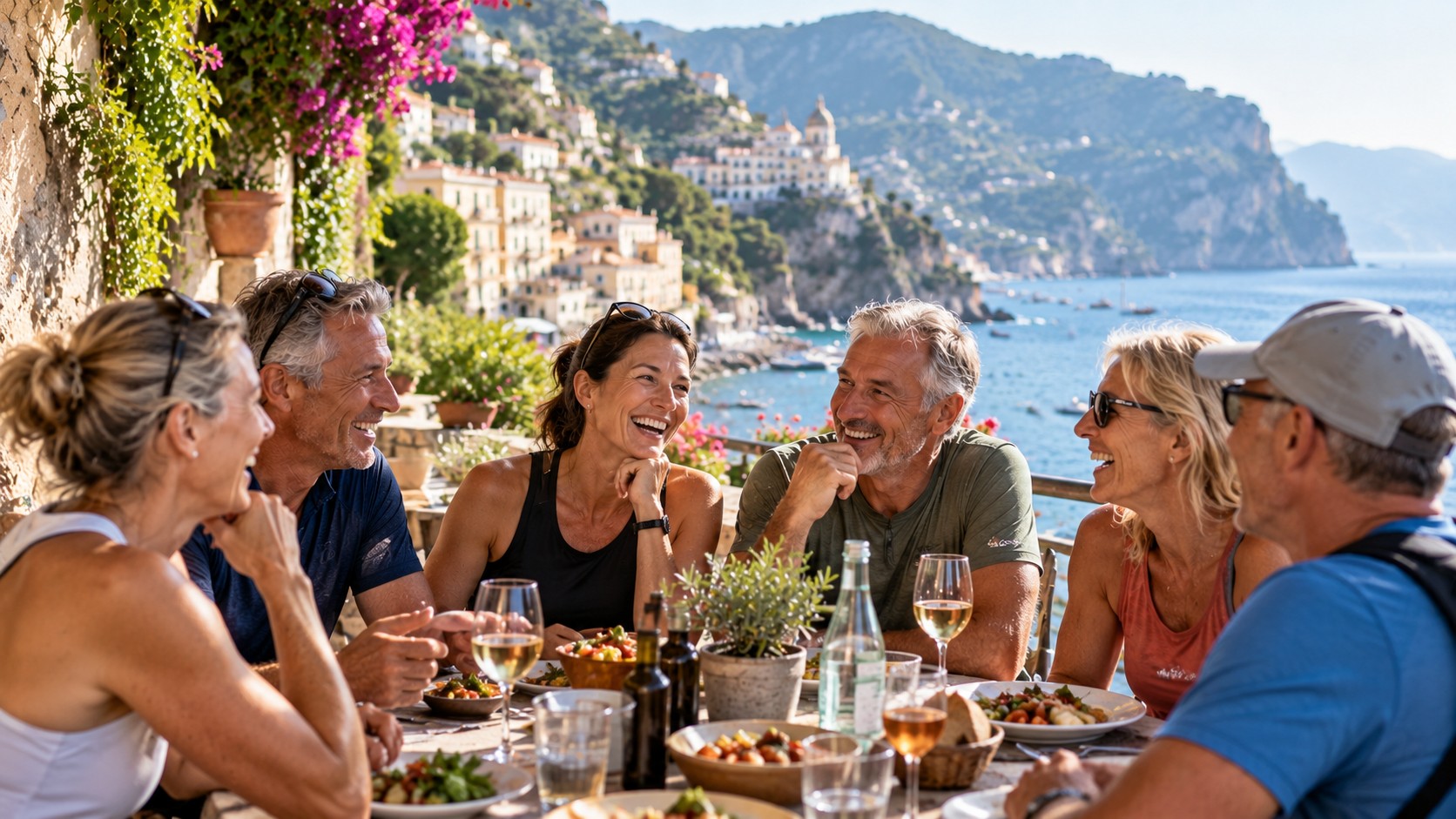
A spontaneous conversation over breakfast. An unexpected friendship during an excursion. A shared laugh after a long day exploring.
A good host creates opportunities for those moments without trying to control them.
§ iv
Hosting Doesn’t Mean Giving Up Your Own Holiday
One concern potential hosts may have is whether they’ll spend the entire trip looking after everyone else.
That’s an important question.
Hosting should not automatically mean being responsible for every traveller’s schedule, personal preferences, or decisions.
Nor should it mean being available around the clock.
The host’s responsibilities, availability, and whether they will personally accompany the group should be agreed upon before the trip.
A thoughtful hosting arrangement respects both the participants and the host.
Travellers should have opportunities to enjoy shared activities while also having freedom to explore independently.
Some people may want to participate in every group gathering.
Others may prefer quiet mornings, independent sightseeing, or time with a spouse or friend.
A welcoming community makes room for both.
The goal isn’t to keep everyone together every minute. It’s to help everyone feel that they belong.
§ v
When Something Goes Wrong: Knowing Where the Responsibility Belongs
Even carefully planned trips can involve unexpected situations.
A flight may be delayed. A traveller may become ill. An excursion may change. Someone may have a question about a booking or supplier service.
A Community Host can be a reassuring presence, but that doesn’t mean they should personally solve every problem.
The host may listen, help someone identify the appropriate contact, or assist with communication when suitable.
However, medical decisions, emergencies, insurance claims, refunds, itinerary changes, and supplier obligations should be handled by the relevant qualified professionals or emergency services.
For example, if a traveller has a medical emergency, the priority is contacting local emergency services and following the appropriate travel assistance procedures.
If there’s a booking issue, the traveller should be directed to the responsible travel advisor or supplier.
Clear expectations established before departure help everyone understand where to turn for assistance.
This protects the host, supports the traveller, and helps problems reach the people equipped to resolve them.
§ vi
After the Trip: Keeping the Connections Alive
The final day of a trip doesn’t have to be the end of the experience.
Often, shared travel creates new friendships and strengthens existing ones.
People return home with photographs, stories, inside jokes, and memories that become part of the community.
A Community Host may help keep those connections alive.
Perhaps the group shares photographs, gathers for a casual reunion, or reconnects at its next regular cycling ride or fitness class.
The host might also invite participants to share feedback about their experience.
That feedback can help inform future conversations about what the community enjoys.
There may eventually be interest in another shared adventure.
But the value of hosting shouldn’t be measured only by whether another trip is organized.
Sometimes the most meaningful outcome is simply that people return home feeling more connected than when they left.
§ vii
The Community Host Role Map
Every hosted experience is different, but the following framework illustrates how responsibilities may be divided.
- Exploring an idea
- Community HostUnderstand group interests and encourage conversation
- Travel ProfessionalsExplain potential destinations, trip formats, and feasibility
- Preparing for departure
- Community HostWelcome participants and share approved group information
- Travel ProfessionalsHandle reservations, payments, supplier coordination, and travel documents
- During the journey
- Community HostEncourage inclusion and shared experiences, when accompanying the group
- Travel ProfessionalsDeliver contracted travel services and manage supplier-related arrangements
- Unexpected situations
- Community HostOffer appropriate support and direct concerns to qualified contacts
- Travel ProfessionalsAddress travel-service matters within their responsibilities
- After returning
- Community HostEncourage connections and gather informal feedback
- Travel ProfessionalsHandle outstanding travel matters and appropriate follow-up
| Stage | Community Host | Travel Professionals |
|---|---|---|
| Exploring an idea | Understand group interests and encourage conversation | Explain potential destinations, trip formats, and feasibility |
| Preparing for departure | Welcome participants and share approved group information | Handle reservations, payments, supplier coordination, and travel documents |
| During the journey | Encourage inclusion and shared experiences, when accompanying the group | Deliver contracted travel services and manage supplier-related arrangements |
| Unexpected situations | Offer appropriate support and direct concerns to qualified contacts | Address travel-service matters within their responsibilities |
| After returning | Encourage connections and gather informal feedback | Handle outstanding travel matters and appropriate follow-up |
This is an illustrative role map, not a universal agreement.
Actual responsibilities should be confirmed for each hosted experience, including who will accompany the group, what support is available, and how travellers receive assistance.
§ viii
Five Questions to Ask Before Becoming a Community Host
If you’re considering helping your community travel together, begin with five questions.
1. Who is the community I’m bringing together?
Think about the relationships you already have and what connects the group.
2. What kind of experience would genuinely appeal to them?
A cycling club, fitness group, workplace, and social community may have very different interests.
3. Would I enjoy helping people connect?
Hosting is about hospitality, relationships, and creating a welcoming atmosphere.
4. What responsibilities would I actually have?
Clarify expectations before agreeing, including communication, time commitment, travel participation, and how problems are handled.
5. Who will manage the professional travel arrangements?
Make sure the booking process, supplier responsibilities, payments, and traveller assistance are clearly established.
These questions can help you decide whether hosting is something you’d genuinely enjoy.
§ ix
You May Already Be a Natural Community Host
Some people have a remarkable ability to bring others together.
They’re the ones who welcome new members, introduce people, organize gatherings, and make everyone feel included.
They may not think of themselves as leaders.
But people naturally trust them.
If that sounds familiar, you may already have many of the qualities that make a thoughtful Community Host.
You don’t need to be the loudest person in the room.
You don’t need to know everything about travel.
And you don’t need to turn your friendships into a business.
What matters is enjoying the process of connecting people and helping create experiences worth sharing.
§ x
Shared Adventures Begin With People
At PEDAL & PORT, we believe travel is about more than the places we visit.
It’s about the people we meet, the experiences we share, and the memories we carry home.
Cycling, cruising, walking, exploring, and discovering new destinations can bring people together in wonderful ways.
But often, the most meaningful part of a journey is the connection that grows along the way.
A thoughtful Community Host can help make those connections possible.
Not by managing every detail.
Not by taking responsibility for everyone.
But by helping turn a group of travellers into a community.