There’s something wonderfully simple about river cruising. You unpack once, settle in, and let Europe come to you.
One morning you might wake beside a medieval town. The next, you’re cycling through wine country. A day later, you could be sitting at a café in one of Europe’s great cities.
But once you decide that river cruising sounds appealing, another question quickly follows.
Which river?
For many first time river cruisers, the choice eventually comes down to two names: the Rhine and the Danube.
Both offer beautiful scenery, fascinating history, wonderful food and wine, and increasingly, opportunities to experience Europe actively rather than simply observe it from a tour bus.
But they don’t feel the same.
The better question isn’t which river is best. It’s which river is best for you.
§ i
The Rhine: castles, vineyards and storybook Europe
If your picture of Europe includes castles perched above the river, vineyard covered hillsides, medieval towns and half timbered buildings, there’s a good chance you’re picturing the Rhine.
Classic Rhine itineraries often travel between Amsterdam and Basel, connecting destinations such as Cologne, Rüdesheim and Strasbourg along the way.
Then there is the Rhine Gorge.
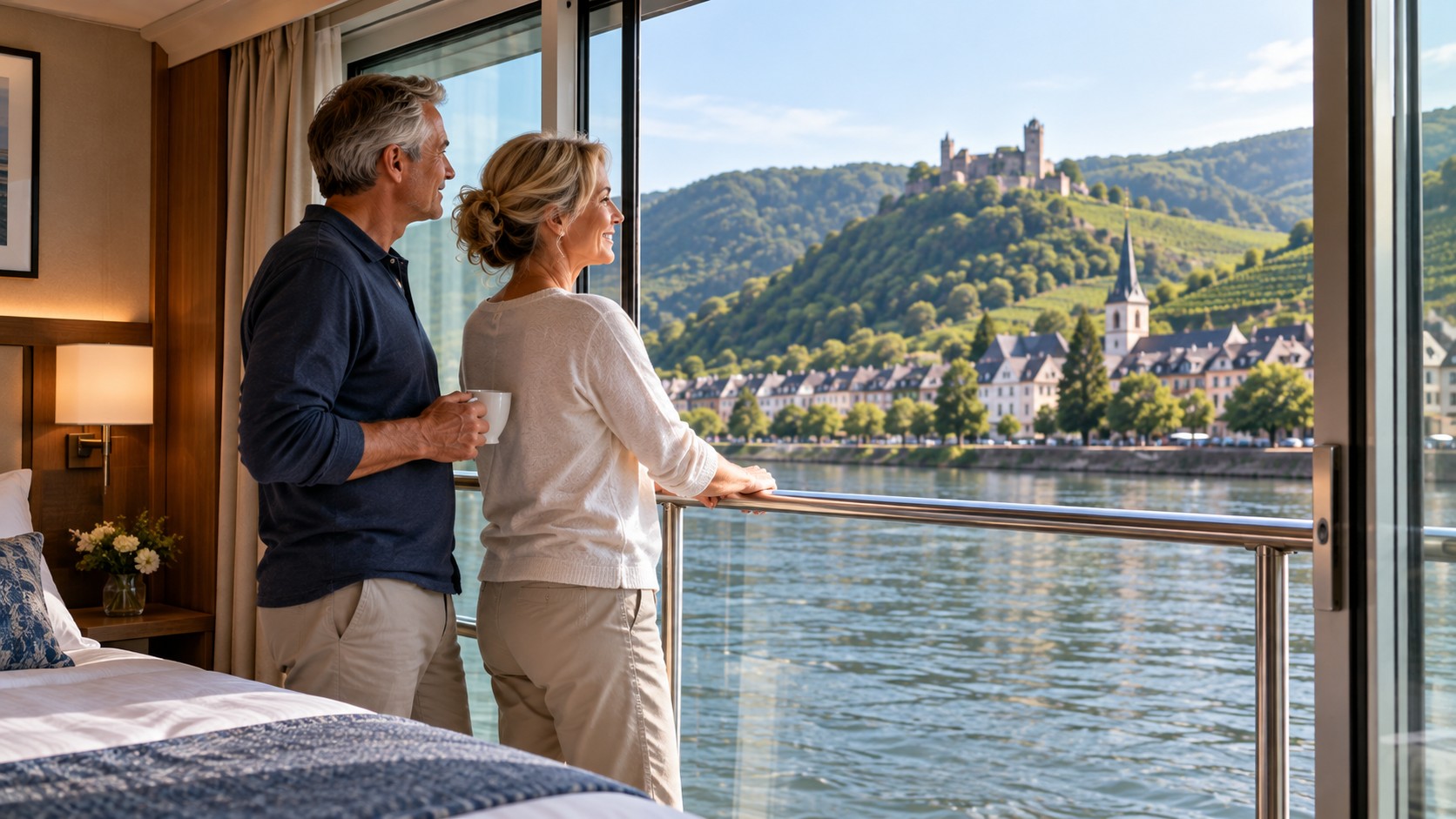
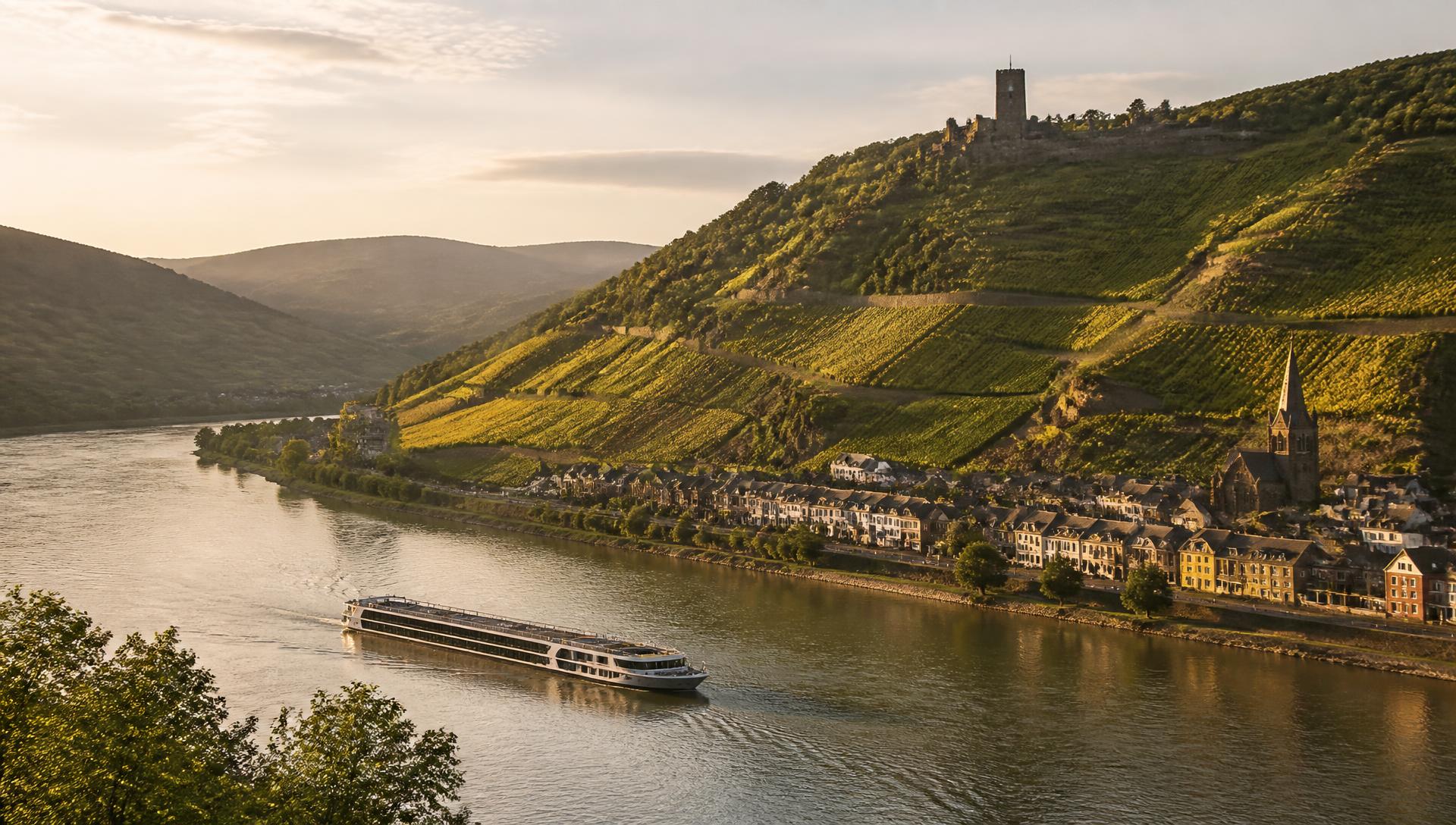
This stretch of the river is one of those places where sitting outside with a coffee and simply watching the landscape go by becomes part of the experience. Castles appear above the river. Vineyards climb the hillsides. Small communities sit along the water.
The Rhine has a romantic quality to it.
It feels like the Europe many of us imagined long before we ever visited Europe.
For someone taking a first river cruise, that can make the Rhine particularly appealing.
§ ii
The Danube: capitals, culture and the heart of Europe
The Danube offers something different.
Rather than being defined primarily by castles and dramatic river scenery, the classic Danube experience brings together some of Central Europe’s great cities and cultural centres: Vienna. Budapest. Bratislava. Passau. Linz. Melk.
And between those larger destinations are smaller communities, monasteries, vineyards and beautiful stretches of countryside.
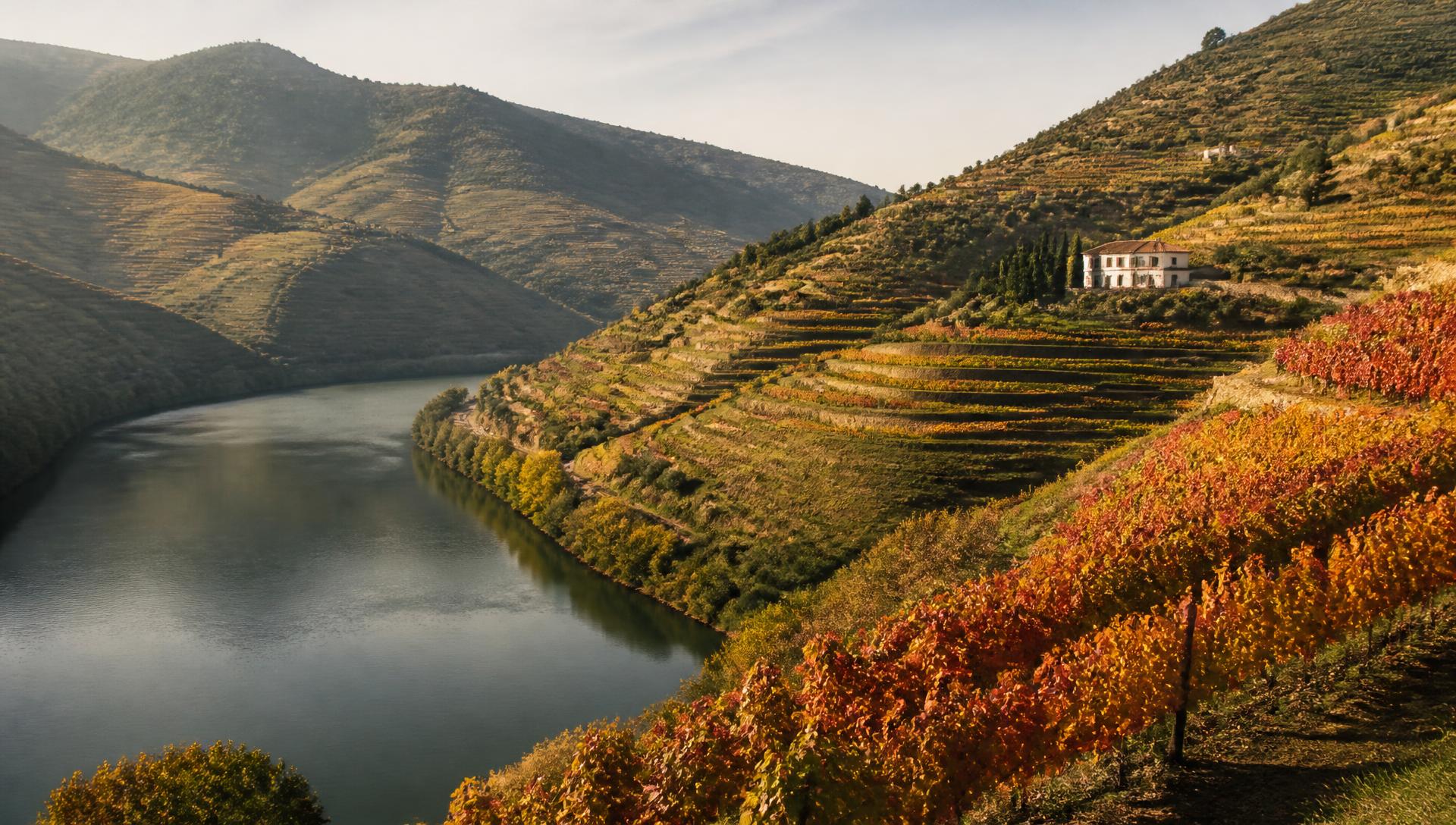
One of the highlights is Austria’s Wachau Valley, where vineyards, villages and historic landmarks follow the river.
The Danube feels broader culturally.
Within a relatively short journey, you can experience several countries, languages, architectural styles and culinary traditions.
If your idea of a great European trip includes exploring cities during the day, discovering local culture, sitting in cafés and still having beautiful countryside between destinations, the Danube makes a compelling case.
§ iii
Rhine vs. Danube at a glance
- Choose the Rhine for
- Castles, vineyards, medieval towns and romantic river scenery — the classic first impression of European river cruising.
- Choose the Danube for
- Vienna, Budapest, Central European culture and the chance to experience several countries in a single journey.
- Cities and countryside
- The Danube may have the edge for cultural variety and the combination of grand cities with quieter riverside communities.
- Active travellers
- That is where things become particularly interesting.
§ iv
River cruising has become much more active
One of the misconceptions about river cruising is that every day involves following a guide onto a coach, touring a destination and returning to the ship.
You can certainly travel that way. But you don’t have to.
Many river cruise itineraries now include opportunities for cycling, hiking, walking, kayaking and e-bike excursions alongside traditional sightseeing.
That changes the experience considerably.
Instead of simply looking at a vineyard from the river, you might cycle through it. Instead of seeing a town through a coach window, you might walk its streets. Instead of spending an entire afternoon onboard, you might hike to a viewpoint and look down at the river your ship is travelling.
For someone who enjoys staying active, this is where river cruising becomes much more interesting.
§ v
Which river is better for cycling?
I would give the Danube a slight edge.
Not because the Rhine isn’t good for cycling. It is.
There are excellent opportunities to ride through Rhine wine country and explore riverside communities by bicycle.
But cycling feels particularly natural along sections of the Danube.
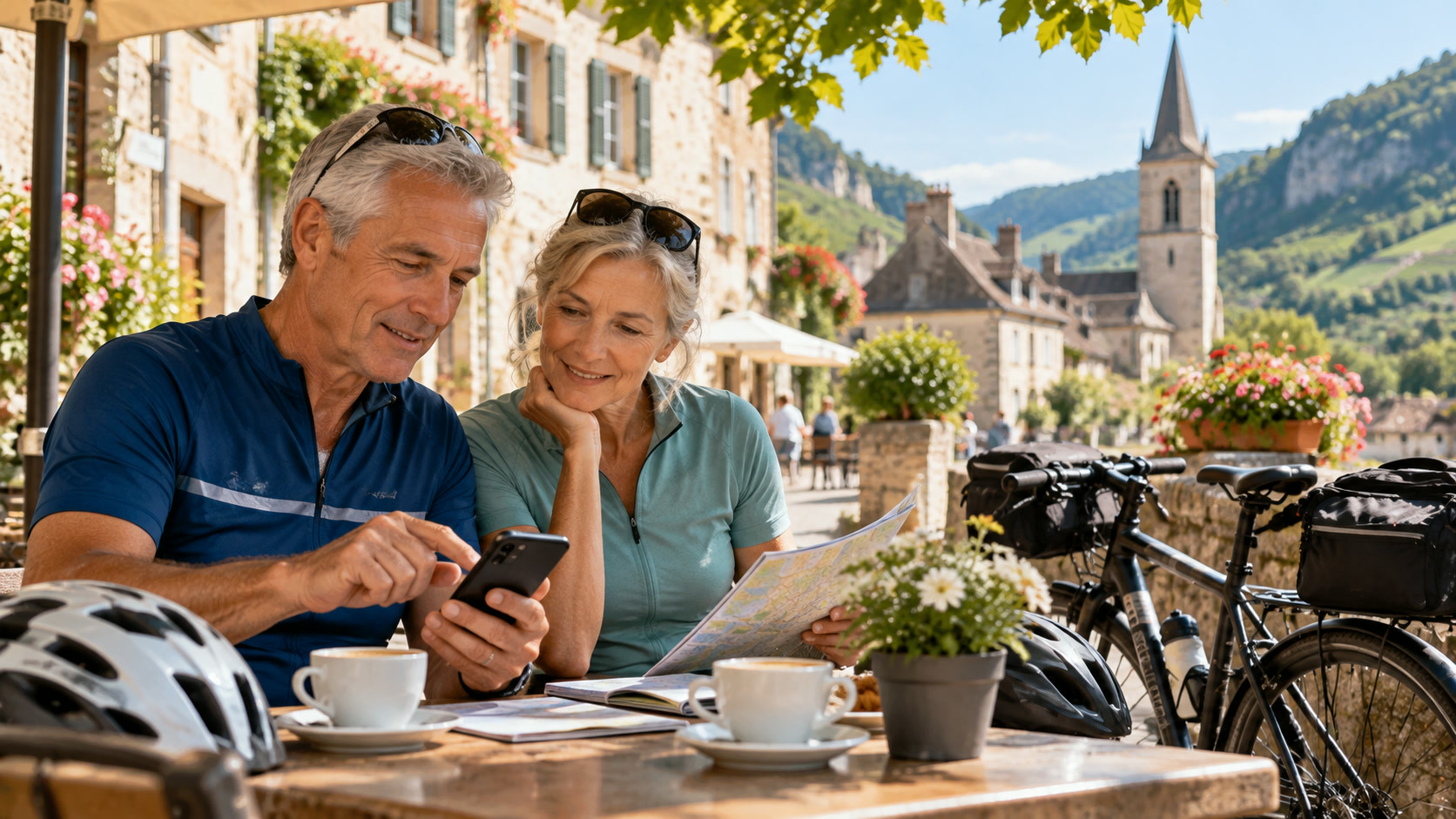
Austria’s Danube corridor, including the Wachau Valley, has a well established cycling culture and beautiful riverside routes. Current river cruise itineraries frequently offer cycling and e-bike experiences around places such as Passau, Linz, Melk, Vienna and the Wachau.
For me, this is where cycling and river cruising become such a natural combination.
You can spend part of your day riding through the European countryside and still return to your cabin, shower, have dinner and sleep in the same bed. No moving luggage. No changing hotels.
And the next morning, another destination is waiting.
If cycling were high on my priority list, I would probably lean toward the Danube.
But I wouldn’t choose a cruise simply because the brochure says it offers “active excursions.” I’d look deeper.
“The destination should fit the traveller, not the other way around.”
§ vi
What does “active” actually mean?
This is worth asking before you book.
There isn’t one universal definition of an active river cruise.
On one itinerary, an active excursion might mean a substantial bicycle ride. On another, it might be an e-bike tour, a vigorous walking tour, kayaking or a hike to a castle.
That’s why I would ask a more specific question:
How many actual cycling or active excursions are available on my sailing?
Then look at distance, terrain, difficulty and whether bicycles or e-bikes are being used.
The river matters. But the itinerary and cruise operator matter just as much.
§ vii
Which is better for your first river cruise?
I don’t think there is a wrong answer.
The Rhine may be the slightly easier recommendation for someone who says: “I’ve never done a European river cruise. I just want that classic experience.”
Amsterdam, Cologne, the Rhine Gorge, wine villages, castles and Strasbourg create a wonderful introduction.
But if someone told me: “I’ve always wanted to see Vienna and Budapest, and I’d love to mix cities with cycling and countryside,” I’d point them toward the Danube.
The destination should fit the traveller, not the other way around.
§ viii
What about food and wine?
Fortunately, neither river requires much sacrifice here.
Along the Rhine, wine regions and local culinary traditions are part of the landscape. Riesling is closely connected with areas along the river, and wine villages contribute greatly to the character of the journey.
The Danube offers its own culinary journey.
Austria’s Wachau Valley is known for wine and regional produce, while Vienna, Budapest and the other cities along the river introduce completely different food traditions.
The Rhine may feel more like travelling through connected wine regions and historic towns. The Danube can feel more like travelling through several distinct cultures connected by one river.
Both are appealing for different reasons.
§ ix
Which river has better scenery?
This may be the easiest category to give to the Rhine.
The combination of castles, steep vineyards, historic villages and the Rhine Gorge produces some of Europe’s most recognizable river scenery.
But scenery isn’t only about drama.
The Danube’s beauty can be quieter. The Wachau Valley, riverside communities, vineyards and changing landscapes create a beautiful backdrop, particularly when you’re experiencing some of it from a bicycle or on foot.
So I would describe it this way: the Rhine may win for dramatic scenery. The Danube may win for the variety of experiences surrounding the scenery.
§ x
A note about river conditions
There is one reality of river cruising that travellers should understand.
Rivers are living environments.
Water levels can occasionally become too high or too low for ships to navigate particular sections safely. Europe has experienced periods of river disruption, including selected Rhine and Danube sailings during 2026.
That doesn’t mean avoiding river cruising.
It does mean asking another important question before booking: what happens if the river doesn’t cooperate?
Cruise operators can respond differently. An itinerary might be modified. Excursions may change. Guests can sometimes be transferred between ships or transported around an affected section.
In more significant situations, a sailing can be altered substantially or cancelled.
That’s why I wouldn’t choose a river cruise based entirely on the ship, itinerary or lowest price. I’d also want to understand how the company looks after its guests when plans change.
Travel rarely rewards us for believing everything will happen exactly as planned. A little flexibility goes a long way.
§ xi
Don’t choose the river first
This might sound strange after spending an entire article comparing two rivers.
But I wouldn’t actually start with the river. I’d start with you.
Imagine yourself on the trip. What do you want your days to look like?
- Would you rather cycle through wine country or spend an afternoon exploring Vienna?
- Do castles fascinate you?
- Are Budapest and Central Europe on your travel list?
- Would you choose a 25 kilometre bike ride over a coach tour?
- Do you enjoy hiking?
- Would you rather explore independently?
- Are food and wine important parts of the experience?
- Do you want busy days or slower mornings?
Those answers tell us far more than simply asking whether the Rhine or Danube is better.
§ xii
Choose the Rhine if…
Choose the Rhine if the Europe you’re imagining includes castles, vineyards, medieval towns and romantic scenery.
Choose it if Amsterdam, Cologne and Strasbourg appeal to you.
Choose it if this is your first river cruise and you want an experience that immediately feels unmistakably European.
And choose it if sitting on deck watching castles appear above the river sounds like a pretty good afternoon.
§ xiii
Choose the Danube if…
Choose the Danube if Vienna and Budapest are calling you.
Choose it if you enjoy experiencing several countries and cultures within one journey.
Choose it if cycling and active exploration are important parts of how you like to travel.
Choose it if you want grand cities one day and vineyards and smaller riverside communities the next.
And particularly consider it if the idea of cycling through Austria’s Wachau Valley makes you want to start packing.
§ xiv
So, which would I choose?
I’d happily travel either.
But if you put a bicycle into the equation, the Danube becomes particularly difficult for me to resist.
There’s something about combining a morning ride through European countryside with the comfort of returning to a river ship that represents what I increasingly appreciate about travel.
Being active without making the entire trip about exercise. Seeing more without rushing everywhere. Having adventures during the day and still enjoying a great meal and comfortable evening.
And sharing those experiences with other people.
That’s a pretty good way to travel.
If you would like to see how this looks in practice, the Bike & River Cruise Collection is the closest expression of it, and why river cruising and cycling are the perfect pair covers the thinking behind it.